Skipping arif akhtar weddingdash
Table of Contents
Table of Contents
Wedding dress traditions have been around for centuries, but why do we still follow them? Are they necessary or just an outdated concept? In this blog post, we’ll explore the ins and outs of wedding dress traditions and how they relate to modern society.
The Pain Points of Wedding Dress Traditions
Wedding dress traditions can be a source of stress and anxiety for many brides-to-be. For some, the pressure to find the perfect dress can be overwhelming, while others may feel constrained by societal norms and expectations. The cost of a wedding dress can also be a significant pain point for those on a budget. Additionally, some women may feel that traditional wedding dress styles do not represent their personal taste and style.
The Target of Wedding Dress Traditions
The target of wedding dress traditions varies depending on culture and religion. In Western cultures, the wedding dress is often seen as a symbol of purity and virginity, while in some Eastern cultures, the color of the dress holds significant meaning. Regardless of the cultural significance, the wedding dress is a symbol of commitment and union between two individuals.
Main Points of Wedding Dress Traditions
Wedding dress traditions have a long history and have evolved over time. Some popular traditions include wearing white, incorporating lace and veil, and something old, new, borrowed, and blue. However, modern society has seen a shift in wedding dress traditions, with many brides opting for non-traditional dresses, such as jumpsuits or colored dresses. Ultimately, the choice of the wedding dress should reflect the bride’s personal style and taste.
Wearing White on Your Wedding Day
One of the most significant wedding dress traditions is the notion that brides should wear white. However, this tradition only dates back to the Victorian era when Queen Victoria wore a white dress to her wedding. Before then, brides wore dresses in a variety of colors. The color white has since become synonymous with purity and virginity, which is why it has become a staple in Western wedding culture.
 When I was getting married, I knew that I didn’t want to wear a traditional white dress. Instead, I opted for a light pink dress that reflected my personality and style. While some of my more traditional family members were taken aback at first, ultimately, they were happy to see me happy and comfortable on my wedding day.
Breaking the Veil Tradition
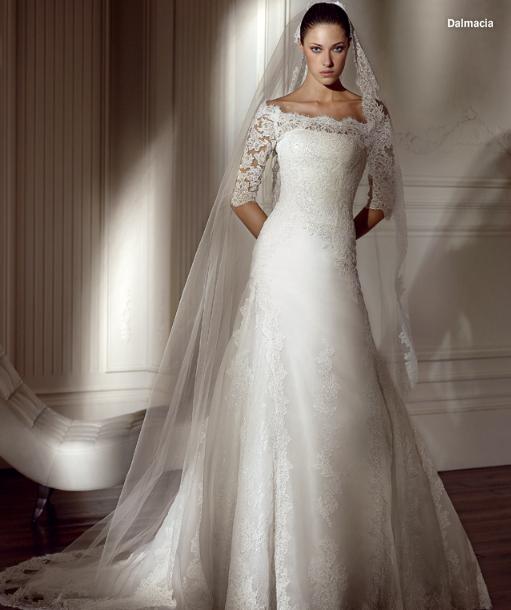
The veil is another wedding dress tradition that has become less popular in recent years. The veil was originally worn to symbolize the bride’s purity and innocence, but it has since become more of a fashion statement. However, for those who still wish to incorporate the veil, there are many non-traditional options available, such as a birdcage veil or a long, flowing veil.
 When I got married, I decided not to wear a veil at all. Instead, I opted for a flower crown that reflected my boho-chic style. While some of my more traditional guests were surprised at first, they ultimately loved the unique touch that the flower crown added to my bridal look.
Something Old, New, Borrowed, and Blue
The saying “something old, something new, something borrowed, and something blue” is a popular wedding tradition that dates back to the Victorian era. Each element is said to bring good luck to the marriage. Something old represents continuity, something new symbolizes hope, something borrowed stands for borrowed happiness, and something blue is for purity, love, and fidelity.
 #### The Importance of the Wedding Dress
While wedding dress traditions are not necessary, they can add a special touch to one’s special day. The wedding dress is more than just a piece of clothing; it’s a symbol of love, commitment, and unity. Whether a bride chooses a traditional white dress or a non-traditional style, the dress should reflect her personal taste and style.
Question and Answer section about Wedding dress traditions ### Q: Can I wear a colored dress for my wedding?
A: Absolutely! Many brides opt for a non-traditional wedding dress in a color that reflects their personality and style. It’s your day, after all!
Q: Do I have to wear a veil with my wedding dress?
A: No, you don’t. While veils are a traditional option, it’s not required for a bride to wear one. There are many non-traditional options available for those who wish to skip the veil.
Q: How much should I expect to spend on a wedding dress?
A: The cost of a wedding dress varies depending on the designer, style, and location. According to The Knot, the average cost of a wedding dress in the United States is $1,631.
Q: Can I incorporate my own cultural traditions into my wedding dress?
A: Yes! Incorporating one’s cultural traditions into the wedding dress is a beautiful way to honor one’s heritage and add a unique touch to the bridal look.
Conclusion of Wedding Dress Traditions
Wedding dress traditions have a long and rich history, but they are not necessary for a beautiful wedding. Whether one chooses to wear a traditional white dress or a non-traditional style, the dress should reflect the bride’s personal style and taste. Ultimately, the wedding dress is a symbol of love and commitment between two individuals, and that’s what truly matters.
Gallery
Traditional Bridal Dresses For This Wedding Season – The Odd Onee
Photo Credit by: bing.com / advertisements
Pin On My Best Dress

Photo Credit by: bing.com / dress wedding norwegian traditional dresses couple clothing attire
Consider Skipping These 3 Wedding Traditions - WeddingDash.com
Photo Credit by: bing.com / skipping arif akhtar weddingdash
African Wedding Dresses | Wedding Style Guide
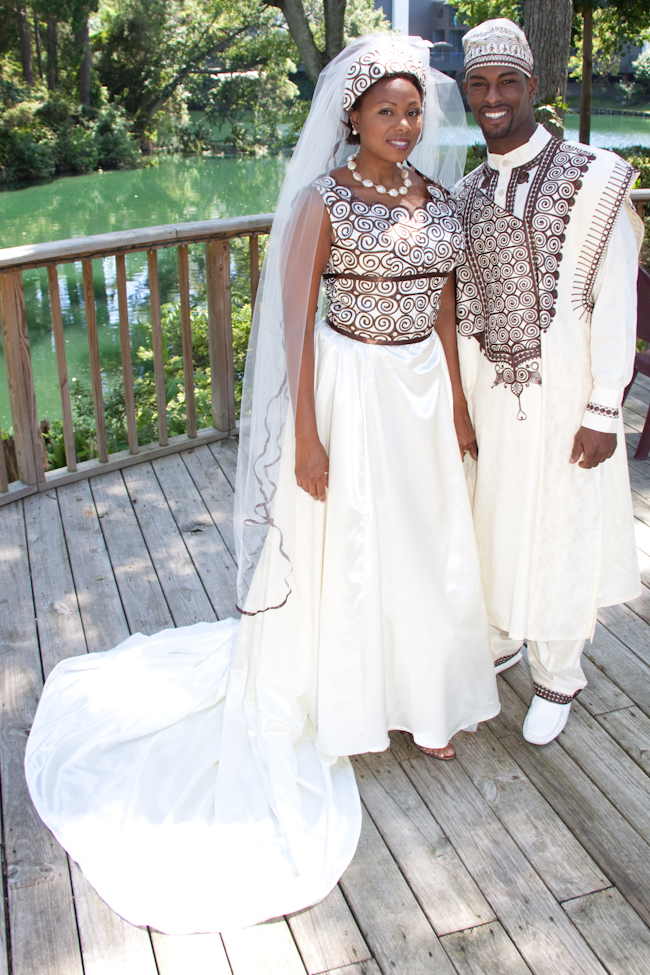
Photo Credit by: bing.com / wedding african dresses traditional dress gowns bride attire fashion weddings groom nigerian style inspired man west nice africa details bridal
Wedding Traditions To Leave Behind | Wedding ETC
Photo Credit by: bing.com / wedding behind dress traditions leave queen traditional